
- June 16, 2025
- 1
- No Comments
From Render to Reality: Editing Architecture That Feels Built
Architecture is not just visuals. It’s scale, proportion, material behavior, and light interaction.
Yet many architectural videos feel artificial — over-graded, over-transitioned, and disconnected from spatial reality.
When editing architectural content, the goal is not to impress with effects. It’s to translate design intention.
Understanding Spatial Rhythm
Every building has rhythm — solid and void, compression and expansion, shadow and light. Editing must follow that rhythm.
Wide shots establish scale.
Medium shots reveal material dialogue.
Close-ups communicate craftsmanship.
Cutting randomly destroys that hierarchy.
Preserving Material Truth
Stone should feel heavy.
Glass should feel transparent.
Concrete should feel grounded.
Over-saturation or aggressive LUTs can flatten textures and erase realism. Subtle grading maintains authenticity while enhancing atmosphere.
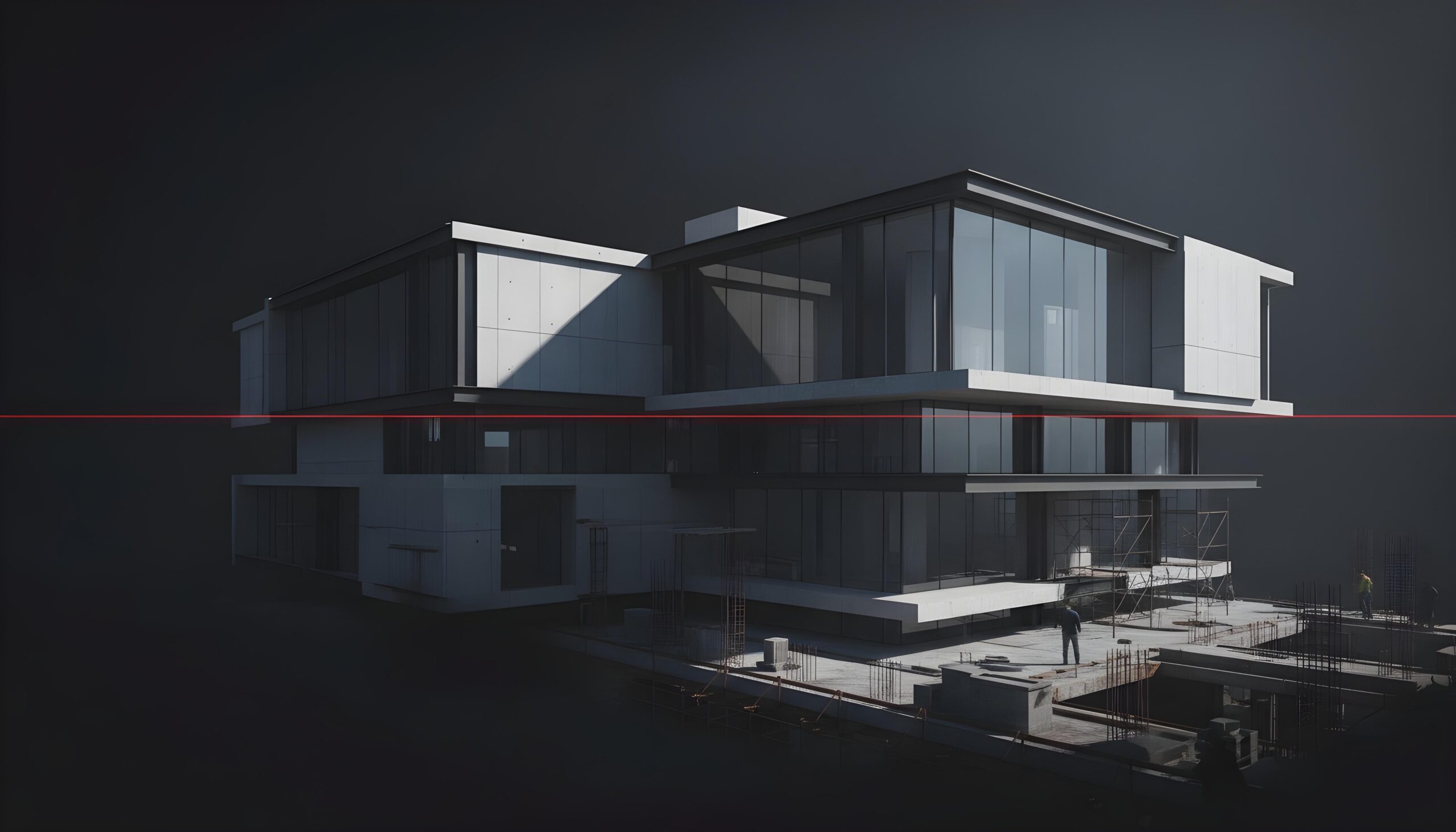
Render + Site Integration
One of the most powerful storytelling tools is pairing render vision with on-site execution.
But alignment matters:
Match camera angle
Match lens compression
Match movement speed
This is how you move from “visual concept” to “constructed reality” seamlessly.
Editing architecture is not about drama.
It’s about clarity, discipline, and respect for the built form.